Somebody is about to buy a suitcase record player as a gift, and the internet is full of pages happily recommending one. Here is the part those pages leave out: the design of these players wears records out, and the wear is permanent.
This is not audiophile snobbery about warmth or soundstage. It is a mechanical problem with a measurable cause, and it is worth ten minutes of your time before the box arrives.
What Actually Goes Wrong
Three things, and they compound.
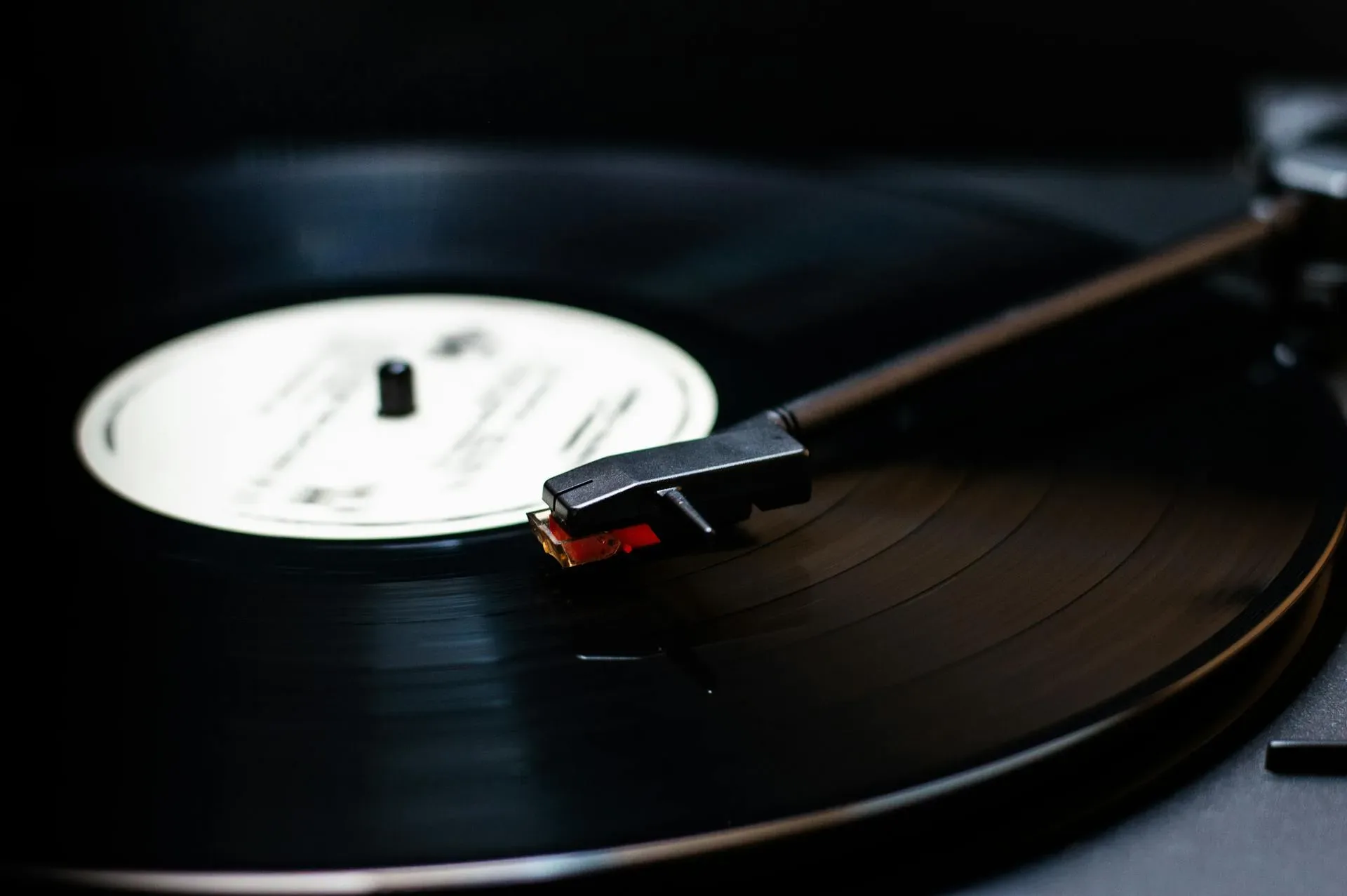
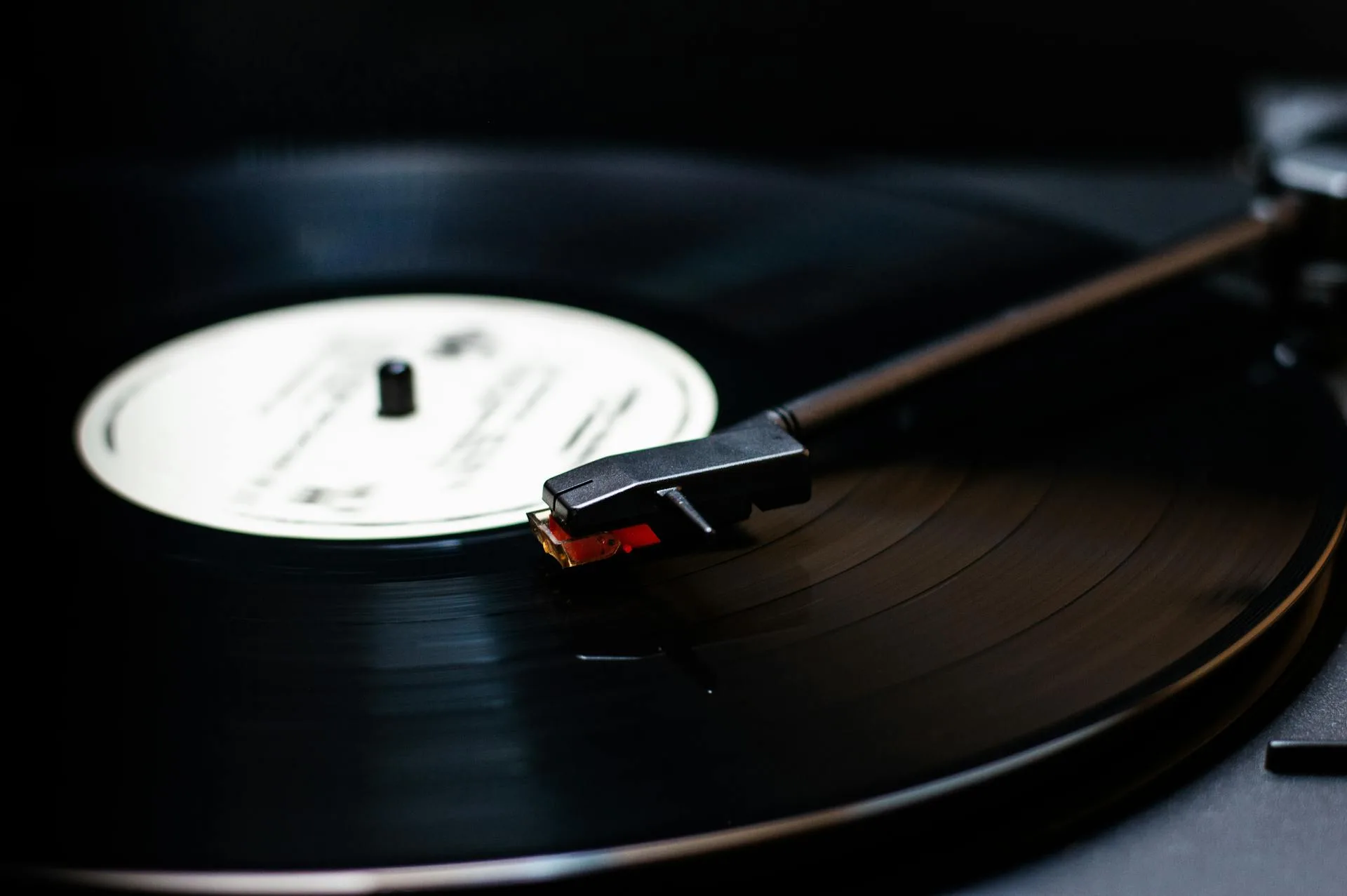
Tracking force. A properly set up turntable presses the stylus into the groove with somewhere around one and a half to two and a half grams. Suitcase players commonly run several times that, because a heavy, unadjustable arm is cheaper to build than a balanced one with a counterweight. More force means more friction, and friction on vinyl means material coming off the groove wall.
Ceramic cartridges. Most of these players use a ceramic cartridge rather than a magnetic one. Ceramic cartridges are cheap and rugged and they need that high tracking force to work. They also tend to come with a conical stylus, which sits differently in the groove than the finer profiles used on better cartridges.
No adjustment at all. No counterweight, no anti skate, usually no way to change the cartridge. Anti skate exists because a pivoting arm is pulled toward the center of the record, pressing harder on one groove wall than the other. Without it, one side of every groove takes more wear than the other.
Add the built in speakers vibrating the same chassis the stylus is riding on, and you have a machine working against itself.
The Part That Matters Most
Groove wear is cumulative and it cannot be undone. Cleaning fixes dirt. Nothing fixes a groove that has been physically worn down. A record played fifty times on a high force player is not the same record anymore.
The Fair Version of the Argument
Two honest caveats, because the internet tends to argue this badly in both directions.
These players are not going to visibly destroy a record in one play. The damage is gradual, which is exactly why it is easy to dismiss. The people who notice are the ones who compare a favorite record after two years against a clean copy.
And there is a real use case. If someone wants a portable object that plays thrift store records they do not care about, at a picnic, and they understand the trade, that is a legitimate choice somebody can make with open eyes. The problem is not the object. The problem is that it is sold without the trade being mentioned, often to people who then play their favorite records on it.
What to Buy Instead at the Same Price
This is the question people actually have, and it has good answers.
A modern entry turntable. The Audio-Technica AT-LP60X and the Sony PS-LX310BT are the common recommendations at the low end, and Fluance's RT80 and RT81 sit just above them. All of them have a proper magnetic cartridge and a manageable tracking force, and they are built to connect to real speakers rather than fight with built in ones.
A used vintage deck with a new stylus. This is the best value in the whole hobby and almost nobody tells beginners about it. A serviced Technics, Dual, or Pioneer from the late 1970s or 1980s will outperform anything new at the same money. The catch is that it has to be working and the stylus has to be replaced, which is the part that goes wrong when people buy these blind. Ask a local shop, since many sell serviced decks and will tell you honestly what condition one is in.
The thing you actually need alongside either. Speakers, and possibly a phono preamp. Budget for that from the start rather than discovering it after the turntable arrives. Episode 15 of our Vinyl 101 series covers phono stages, and Episode 2 walks through choosing a first turntable properly.
If You Already Own One
Do not panic, and do not throw it out. Three practical moves.
Keep your good records off it. Play cheap used copies on it and save the pressings you care about for a better deck. This alone solves most of the problem.
Check whether the stylus can be replaced. Some of these players take a standard replacement, and a fresh stylus tracks better than a worn one regardless of the rest of the machine.
Treat it as the thing it is good at, which is convenience and portability, and put your money toward a real turntable when you can rather than toward accessories for this one.
If You Are Buying It as a Gift
The honest gift version is a modern entry turntable plus a couple of records, which lands in the same price range as the nicer suitcase players and will still be working, and still be kind to records, in five years.
If the recipient is a child, or the point is genuinely the object rather than the audio, buy the suitcase player and say plainly that it is for records nobody minds wearing out. That is a fine gift honestly given.
Either way, buy the records at a local shop. Find one in the Record Store Directory, and the staff will tell you the same thing this article just did, for free, while helping you pick.
Get More Record Store Guides
New vinyl guides, store features, and industry news delivered to your inbox.
Features FAQ
Keep the records you love off it. That single habit solves most of the problem.