A worn stylus does not fail politely. It keeps playing, sounding slightly worse every month, while quietly grinding away at every record you put under it. Most people replace theirs years late, and by then the damage is in the records rather than the needle.
Here is when to replace it, how to tell, and how to do it without paying somebody else.
How Long a Stylus Actually Lasts
Life depends almost entirely on the tip profile, and manufacturers publish rough guidance:
- Conical or spherical: roughly 500 to 1,000 hours. These are the tips on most entry level cartridges.
- Elliptical: roughly 1,000 hours, sometimes a little more.
- Advanced profiles such as Shibata, microline, and micro ridge: often 2,000 hours or beyond, because the contact area is larger and wear spreads across more of the tip.
Translate that into records. An album side runs about twenty minutes, so a thousand hours is roughly three thousand sides. If you play a couple of sides a day, a conical tip is due somewhere around the two year mark and an elliptical a bit later.
The Number Nobody Tracks
Almost nobody counts stylus hours. If you have no idea how long yours has been on there, and it came with a turntable you have owned for more than a few years, assume it is due. A replacement costs far less than the records it is wearing.
How to Tell Yours Is Worn
Distortion that gets worse toward the middle of the record. This is the single most reliable sign. Inner grooves are packed tighter, so a worn tip struggles there first while the outer tracks still sound acceptable.
Sibilance. S sounds on vocals start to sound harsh, splashy, or like they are tearing slightly. A healthy stylus reproduces them cleanly.
Mistracking on loud passages. The needle skips, or the sound breaks up when the music gets dense.
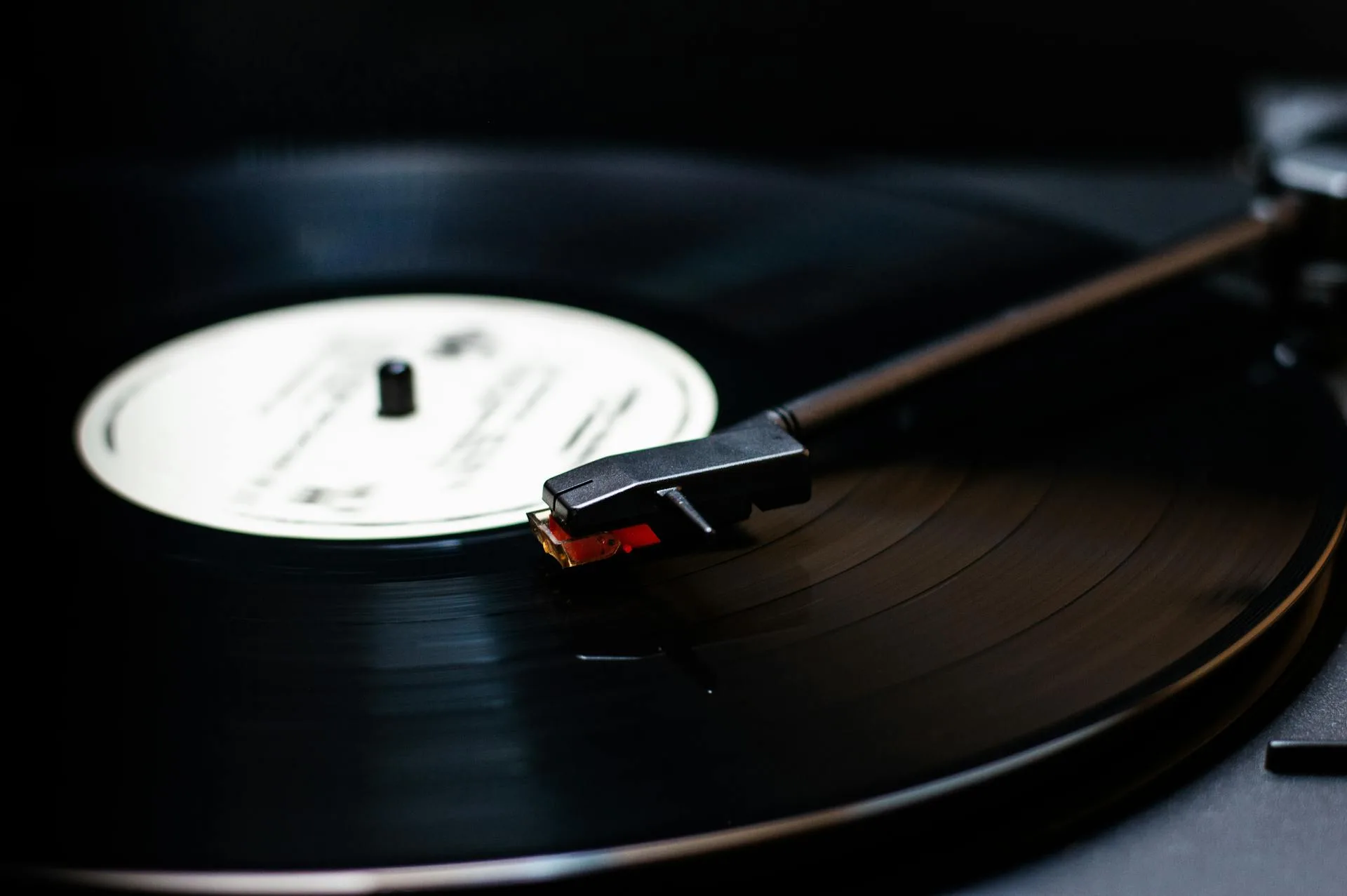
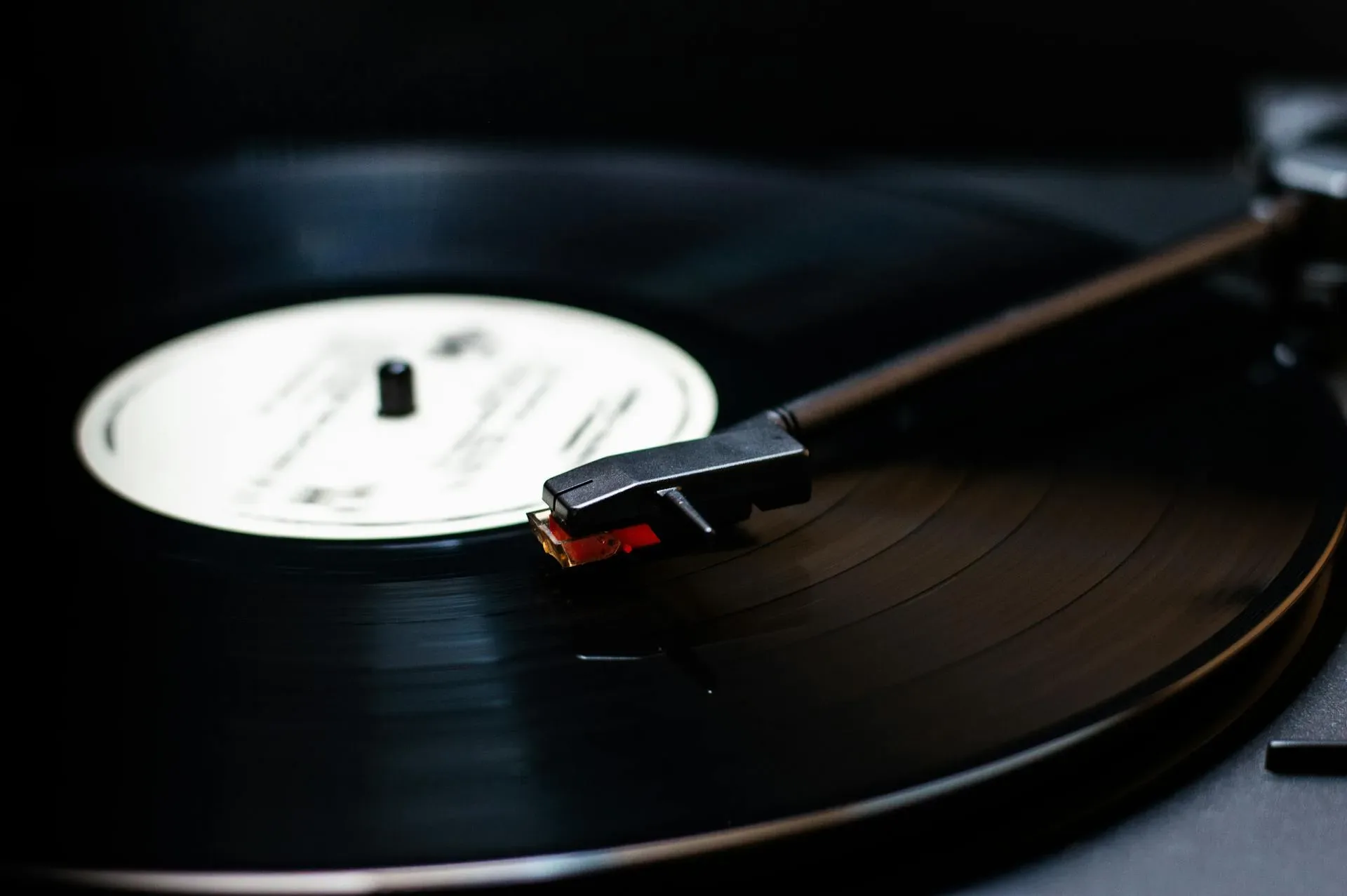
Visible wear. Under a jeweller's loupe or a phone macro lens, a fresh tip looks rounded and even. A worn one shows a flat facet, or a visible edge where it has been ground down on one side.
New noise on records you know are clean. If a record you cleaned recently is suddenly noisier than you remember, suspect the stylus before you blame the pressing.
Why Waiting Costs More Than the Part
This is the argument that matters. A worn stylus has developed sharp edges and flat spots, and it no longer sits in the groove the way it was shaped to. Instead of riding the groove walls, it drags against them.
Groove wear is permanent. Cleaning does not fix it, and no reissue brings back a record you wore out. A replacement stylus for a common entry cartridge costs less than two new LPs. Running one two years past its life to save that money is a bad trade, and it is a trade people make constantly because nothing announces itself.
Stylus or Whole Cartridge
It depends on the cartridge type.
Moving magnet cartridges, which is nearly everything at entry and mid level, have a replaceable stylus assembly. You buy just the stylus, and it costs a fraction of a new cartridge. This is most people.
Moving coil cartridges generally do not. The stylus is not user replaceable, so you either replace the whole cartridge or send it away for a retip service. If you own one of these, you already know it, because they cost more and need a phono stage that suits them.
If you are unsure which you have, find the cartridge model printed on the body or in the turntable manual, then look up whether a replacement stylus is sold separately for it.
Replacing It Yourself
On most moving magnet cartridges this takes about a minute and needs no tools.
Turn the turntable off. Fit the stylus guard if it has one, because this is exactly when tips get snapped. Grip the plastic body of the stylus assembly, not the cantilever, and pull it straight forward and slightly down. It will release. Push the new one on the same way until it seats.
Do not touch the cantilever, the thin rod carrying the tip. It bends, and a bent cantilever is a dead cartridge.
After fitting, check tracking force if your arm has an adjustable counterweight, since a new stylus is a good moment to confirm it is set to the cartridge manufacturer's recommendation rather than whatever it drifted to.
Getting the Right One
Match the cartridge model exactly. Stylus assemblies are not universal, and a part that looks similar will not sit correctly in the groove even if it physically clips in.
Beware very cheap unbranded replacements for popular cartridges. A stylus is a diamond on a precision cantilever, and the price floor for a decent one is real. If a replacement costs a fraction of every other listing for the same part, that is usually a signal rather than a bargain.
Your local shop can order the right one and will confirm the model with you, which removes the main way this goes wrong. Find one in the Record Store Directory. Turntable Lab carries common replacements online, and Amazon stocks most mainstream styli: replacement styli on Amazon. Match the model number before you order from anywhere.
Disclosure: Record Store Directory participates in the Amazon Associates program. If you buy through the Amazon link above we may earn a small commission at no extra cost to you. It does not change what we recommend, and we point you to a local shop first.
While the stylus is off, clean it. A stylus brush used back to front, never side to side, removes the build up that makes a good needle behave like a worn one. Our record cleaning guide covers that alongside the rest of the routine.
Get More Record Store Guides
New vinyl guides, store features, and industry news delivered to your inbox.
Features FAQ
If you cannot remember when you last changed it, it is due.